


How Savvy Travelers are Beating TSA Wait Times!
March 17, 2026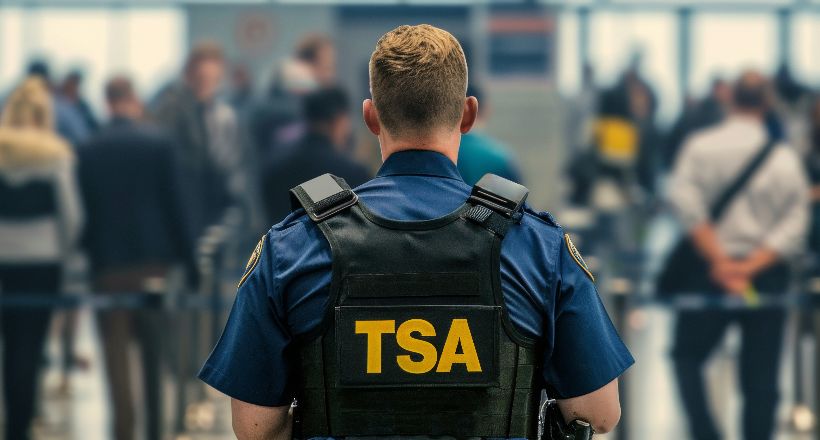
“Navigating delays.”
——-
For many travelers, the most unpredictable part of flying today is no longer the flight itself—it is getting through security. That reality has been amplified by ongoing staffing pressures within the Transportation Security Administration (TSA), particularly during government shutdown scenarios when agents may be required to work without pay. According to the American Federation of Government Employees, TSA officers are among those impacted during funding lapses, raising concerns about absenteeism and operational strain. At the same time, passenger volumes remain consistently high, with the TSA regularly screening millions of travelers per day. The combination of sustained demand and workforce uncertainty has made airport security lines more volatile—and far less predictable than travelers have come to expect.
Against that backdrop, trusted traveler programs have shifted from convenience to near necessity for frequent flyers. TSA PreCheck allows passengers to access expedited screening lanes where they can keep shoes on and leave laptops in their bags. According to the TSA, “the vast majority of TSA PreCheck passengers wait less than 10 minutes” under normal operating conditions; however, in the current environment, wait times have become far more variable as staffing shortages affect checkpoint throughput. For international travelers, Global Entry includes PreCheck benefits while also expediting customs re-entry into the United States, making it a practical upgrade for even occasional global trips. Many frequent travelers now pair these programs with CLEAR, which uses biometric verification to move passengers past the document check portion of the line, further reducing friction at the checkpoint.
At the same time, both the public and private sectors are investing in newer technologies designed to offset staffing constraints and improve throughput. CLEAR continues to expand its biometric screening footprint, while the TSA is rolling out its PreCheck “Touchless ID” program, which uses facial recognition to verify identity without requiring a physical ID or boarding pass. According to TSA announcements, the program is expanding across major U.S. airports and is intended to streamline identity verification within dedicated lanes. These innovations reflect a broader shift toward automation at checkpoints—an important development as agencies look for ways to maintain efficiency even when staffing levels are under pressure.
Beyond memberships and technology, the current environment calls for a more strategic approach to travel itself. During periods of government disruption, travelers are increasingly advised to build in larger time buffers, as wait times can expand quickly due to staffing shortages and uneven coverage across airports. Choosing flight times carefully—avoiding peak morning and late afternoon windows—can help reduce exposure to congestion, while monitoring multiple real-time sources often provides a clearer picture than relying on a single app. For international arrivals, the free Mobile Passport Control app allows users to submit information in advance, which “expedites a traveler’s entry process into the United States,” according to U.S. Customs and Border Protection. In this environment, beating the TSA line is no longer just about speed—it is about managing uncertainty, using every available tool to stay one step ahead of delays in an increasingly strained system.

