


Longevity Kitchen: What the World’s Healthiest Cultures Eat
March 24, 2026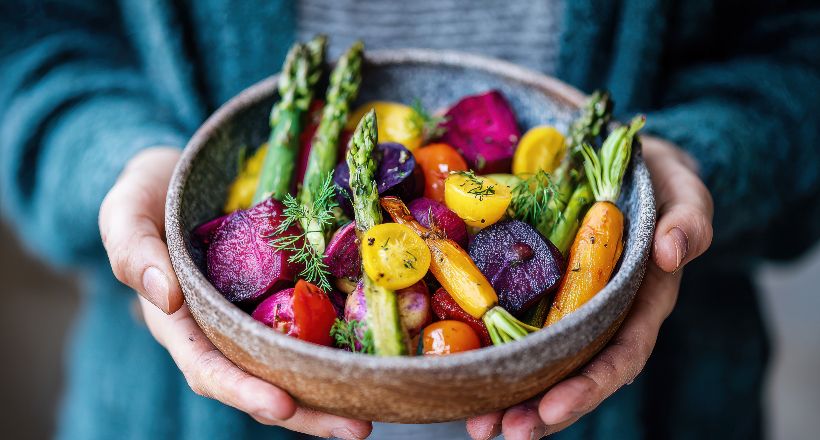
“From the Mediterranean to Okinawa, simple foods continue to deliver extraordinary results..”
——-
There’s a growing realization in both the medical and culinary worlds that longevity isn’t driven by a single superfood or supplement, but by consistent dietary patterns that have stood the test of time. Some of the clearest examples come from regions often referred to as “Blue Zones,” where populations live longer, healthier lives than average. These include places like Sardinia in Italy and Okinawa in Japan. What’s interesting is not just what people in these regions eat—but how consistently they eat it over decades. According to research published in the journal Circulation, dietary patterns rich in plant-based foods, healthy fats, and lean proteins are strongly associated with lower rates of cardiovascular disease and longer life expectancy.
At the center of many of these longevity-focused diets is a simple foundation: vegetables, legumes, whole grains, and healthy fats—particularly olive oil. The Mediterranean diet, perhaps the most widely studied of them all, continues to rank highly among nutrition experts. According to the New England Journal of Medicine, participants following a Mediterranean diet supplemented with extra-virgin olive oil or nuts had a significantly lower risk of major cardiovascular events compared to those on a low-fat diet. What makes this approach compelling is its practicality. This isn’t a restrictive or complicated way of eating—it’s a return to basics, emphasizing quality ingredients and time-tested preparation.
Seafood also plays a consistent role across many of these cultures, particularly fatty fish rich in omega-3 fatty acids. In Okinawa, for example, diets traditionally include modest portions of fish alongside vegetables and soy-based foods. According to the World Health Organization, regular consumption of fish is associated with reduced risk of coronary heart disease, largely due to its omega-3 content. Add to that the inclusion of fermented foods—such as miso in Japan or yogurt in parts of the Mediterranean—and you begin to see a pattern emerging that supports not only heart health but also gut health, which researchers increasingly link to overall well-being.
What ties all of this together is not complexity, but consistency. These cultures don’t chase trends—they rely on habits. Meals are often prepared at home, portions are moderate, and ingredients are fresh and minimally processed. According to Harvard T.H. Chan School of Public Health, “dietary patterns that emphasize whole, minimally processed foods are consistently linked with better long-term health outcomes.” It’s a reminder that while the modern food landscape is filled with options, the path to better health—and perhaps a longer life—may be simpler than we think. In many ways, the longevity kitchen isn’t about reinventing how we eat, but rediscovering what has worked all along.

