


Inside the Microplastics Problem
May 12, 2026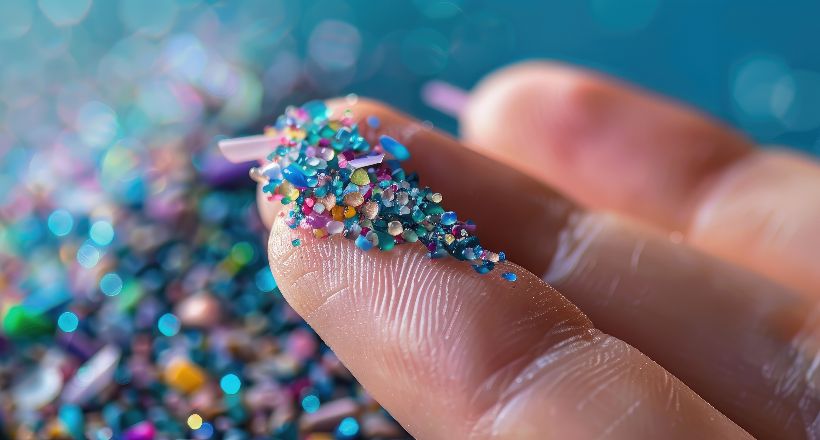
“Where the hide and how to avoid them.”
——-
Microplastics are becoming one of the most discussed environmental and health topics in the modern world, not because of a single alarming discovery, but because researchers are finding these tiny plastic particles almost everywhere. According to the World Health Organization, microplastics are generally defined as plastic particles smaller than five millimeters (about one-fifth of an inch) that form when larger plastics break down or when microscopic particles are manufactured for industrial use. Studies published in journals such as Environmental Science & Technology and Nature have detected microplastics in oceans, bottled water, seafood, table salt, household dust, and even the air inside homes. Researchers have also identified microplastic particles in human blood and lung tissue, though scientists continue to study what long-term exposure may actually mean for human health.
One reason microplastics have drawn so much attention is because many exposure sources are tied directly to modern convenience. According to research from the National Institutes of Health and consumer studies cited by the United Nations Environment Programme, synthetic clothing fibers shed microscopic particles during washing, plastic food containers can release particles when heated, and bottled water often contains measurable amounts of plastic debris. Household dust is now considered another significant source, particularly in homes with synthetic carpets, upholstery, and fabrics. While headlines surrounding microplastics can sometimes sound dramatic, scientists have been careful to note that research into direct human health effects is still evolving. Current concerns primarily focus on inflammation, chemical exposure, and the possibility that tiny particles may carry environmental pollutants into the body.
The good news is that reducing exposure does not require extreme lifestyle changes. Many experts simply recommend minimizing unnecessary plastic contact with food, water, and indoor air. Using glass or stainless-steel containers instead of heating food in plastic, filtering drinking water, limiting single-use plastics, and choosing more natural fibers such as cotton or wool may help lower exposure over time. According to the Mayo Clinic and the World Health Organization, practical moderation remains the most sensible approach while science continues to develop. In many ways, the microplastics conversation reflects a broader shift already underway: consumers paying closer attention to what surrounds them every day and making small, informed decisions that may improve long-term health and environmental sustainability.

