


Should You Buy a Home in Italy?
July 7, 2026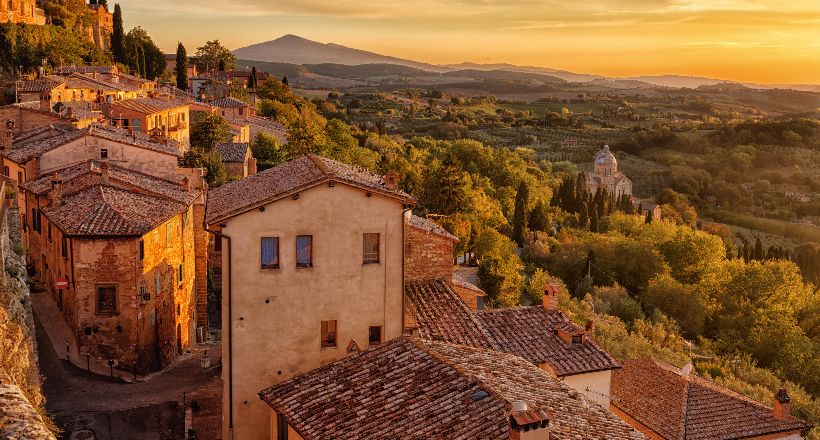
“Buying a Piece of La Dolce Vita.”
——-
Few countries capture the imagination quite like Italy. Whether it’s a stone farmhouse in Tuscany, a lakeside apartment overlooking Lake Como, or a villa along the Amalfi Coast, Italy offers something few investments can: the opportunity to own a home in one of the world’s most beautiful destinations. While no real estate market is without risk, Italy continues to attract international buyers seeking a blend of lifestyle, long-term appreciation, and rental income.
Affordable Compared to Much of Europe
One of Italy’s biggest advantages is affordability. Outside major cities and premier resort destinations, many properties remain considerably less expensive than comparable homes in France, Switzerland, or the United Kingdom. Southern Italy and many rural villages still participate in the well-publicized “€1 Home” initiatives designed to reverse population decline. While these properties require substantial renovation and strict timelines, they have helped shine a spotlight on the value that still exists throughout much of the country.
A Tourism Powerhouse
Italy remains one of the world’s most visited countries. In 2025, visitors generated more than 450 million overnight stays, creating strong demand for vacation rentals in destinations such as Rome, Florence, Venice, Tuscany, Puglia, Sicily, and Lake Como. Well-located properties can produce attractive seasonal rental income while owners enjoy personal use during part of the year.
The housing market has also remained resilient. According to Italy’s National Institute of Statistics (ISTAT), residential property prices increased 5.2 percent during the first quarter of 2026 compared with a year earlier, while home sales rose 4.4 percent. Unlike many countries that have experienced dramatic boom-and-bust cycles, Italy’s conservative lending practices have generally produced slower, steadier price appreciation.
Proceed with Your Eyes Open
Italian real estate is best viewed as a long-term investment rather than a quick profit opportunity. Buyers should budget for purchase taxes, notary fees, legal expenses, and ongoing maintenance costs. Renovating older properties often requires patience, particularly when dealing with historic buildings or local permitting requirements. As with any market, location matters. Milan, Rome, Bologna, Florence, and popular resort communities typically enjoy stronger demand and greater liquidity than many rural villages.
The Bottom Line
For investors seeking rapid appreciation, Italy may not be the perfect choice. But for those looking to diversify internationally while enjoying an exceptional quality of life, it presents a compelling opportunity. A thoughtfully selected property can serve as a vacation retreat, retirement residence, income-producing rental, or legacy asset for future generations. Like the country itself, Italian real estate rewards those willing to take the long view.
Please keep in mind this information should not be considered as financial advice. Investment decisions should be based on individual research and consultation with a qualified financial professional. The value of investments can fluctuate, and past performance is not indicative of future results. Always consider your risk tolerance and financial goals before making investment decisions.

