


Energy Without the Rush
August 11, 2026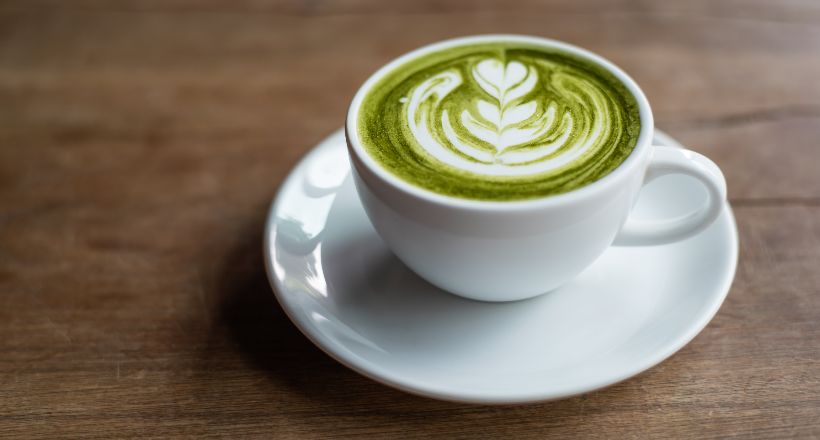
by Morayma MaKay
Writer / Blogger & Content Creator
Adulthood Rewired
Biography: Morayma Makay is a fashion model, mother, and writer. She has
dedicated the last 20 years to working in the fashion and health fields as
both a researcher and content creator.
“Why matcha may be worth the hype.”
——-
Matcha has gone from something you would find at a traditional Japanese tea shop to an ingredient showing up virtually everywhere from lattes to smoothies, baked goods, protein drinks, and even cocktails! Now, while some of that popularity can be chalked up to its pretty green color and how it looks on every influencer’s social media feed, there are actually some legitimate reasons to make room for matcha in your wellness routine.
So, What Exactly Is Matcha?
Matcha is made from finely ground green tea leaves, and unlike traditional green tea, where the leaves are steeped and then discarded, with matcha you are consuming the actual tea leaf. That makes the nutritional profile a little different and gives you a much more concentrated dose of the compounds found in green tea. Most people have heard about matcha’s antioxidants, particularly catechins such as EGCG, but there are a few other reasons this bright green powder can be a great addition to your daily diet.
One of the more interesting reasons is that matcha contains a beneficial combination of caffeine and L-theanine which is an amino acid associated with relaxation and attention. Together, they may provide a more even feeling of alertness than you get from caffeine alone (move over, coffee!). Instead of the sudden jolt followed by the inevitable post-java crash, some people find matcha gives them a smoother boost that lasts a lot longer.
Matcha and Your Wellness.
Research suggests that caffeine and L-theanine together can improve aspects of attention and cognitive performance, which is one reason matcha has become a favorite morning or afternoon drink for people who want to feel awake without feeling quite so wired and jittery. Matcha may also have an interesting connection to heart health as green tea catechins have been studied for their potential effects on cholesterol and cardiovascular health, and regularly consuming green tea has been associated with several favorable heart-health markers because matcha is a concentrated source of these same plant compounds.
Another lesser known benefit involves oral health since green tea contains compounds that may have antibacterial properties, and research has explored its potential role in supporting healthier gums and reducing the growth of certain bacteria associated with dental problems. Of course, matcha isn’t a substitute for brushing, flossing, or regular dental visits, but it’s an interesting bonus for something many people simply enjoy drinking!
There’s also some evidence that the catechins in green tea may support healthy metabolic function, and studies have looked at green tea compounds and their potential influence on how the body handles fat and glucose. The effects aren’t dramatic enough to justify any miracle fat burning claims that sometimes surround matcha, but there is enough research to make its metabolic benefits worth making note of.
A Little Matcha In Your Day.
Then there’s the fact that matcha is incredibly easy to work into everyday meals, unlike some of its other caffeinated counterparts. A little matcha can be whisked into hot or iced water, blended into a smoothie, stirred into yogurt, or added to oatmeal and salad dressings. Its subtle, earthy flavor pairs particularly well with foods like vanilla, berries, citrus, coconut, and dark chocolate to name a few. One thing to keep in mind is that matcha still contains caffeine, so if coffee tends to interfere with your sleep, drinking a large matcha latte late in the afternoon probably isn’t going to solve that problem! Matcha also isn’t necessarily better than coffee or regular green tea for everyone. They’re simply different options, and the best choice is the one that makes you feel good and fits naturally into your day.
It’s also worth noting that matcha varies considerably in flavor and price, and some products are intended more for cooking than drinking. If you’re drinking it regularly, look for a reputable source and choose a product that actually tastes good to you. So, if you’re looking for a healthy replacement for your daily cup of coffee, or have been curious about this somewhat viral drink…maybe some of these wellness benefits of matcha will inspire you to give it a try!

