


Around the World in Eight Sandwiches
September 15, 2026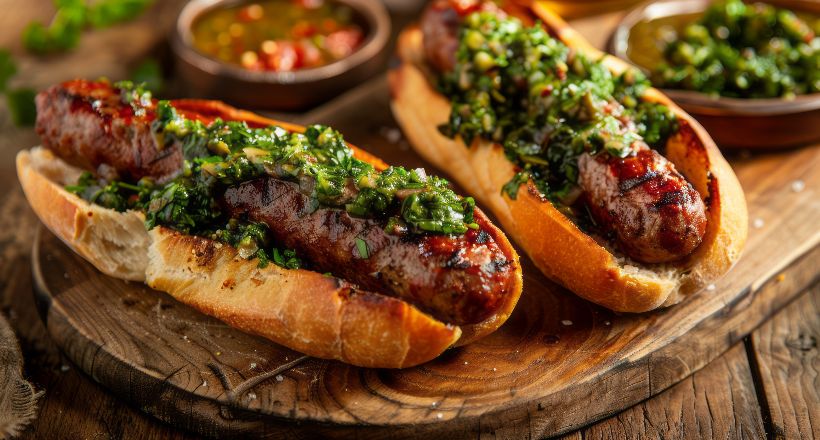
“Sometimes the best way to experience a country is between two pieces of bread.”
——-
You can learn a surprising amount about a country from its sandwiches. They are portable, generally inexpensive and often built from ingredients people have eaten for generations. In France, the croque monsieur turns ham, cheese and bread into a warm café classic; France’s official tourism site describes it as a hot sandwich traditionally featuring cheese and ham. Travel east to Turkey, and döner fills bread or flatbread with thinly sliced roasted meat, vegetables and greens. According to GoTürkiye, döner—whose name comes from the Turkish verb meaning “to turn”—is now one of Istanbul’s best-known street foods.
In Vietnam, the bánh mì may be one of the world’s great examples of cultures meeting on a plate. The baguette arrived during the French colonial period, but Vietnamese cooks made it distinctly their own with combinations of meats, pâté, pickled vegetables, herbs and chiles. In Japan, there is the katsu sando: a breaded cutlet tucked between soft slices of bread, commonly accompanied by sauce and sometimes cabbage. Japan’s Ministry of Agriculture recognizes katsu-sando as one of the popular variations of tonkatsu, while Japanese government sources trace the evolution of tonkatsu itself to Western-style cutlets that were adapted to Japanese tastes.
Then head to Argentina for the choripán, proof that simplicity can be difficult to improve upon: grilled chorizo, crusty bread and, quite often, chimichurri. Argentina’s official tourism organization calls choripán a national icon and a familiar opening act at the traditional Argentine asado. Mexico’s torta, meanwhile, takes the sandwich in another direction, with countless regional and individual variations built around a roll and savory fillings. And in Cuba and the Cuban-American communities of Florida, the Cuban sandwich traditionally combines roast pork, ham, Swiss cheese, pickles and mustard, according to the Smithsonian’s National Museum of the American Latino.
Finally, we arrive in Italy, where the panino demonstrates the same lesson as the other seven: great sandwiches don’t need to be complicated. Good bread paired with ingredients such as cured meats, cheeses or vegetables can become a memorable meal. From a Paris café to an Istanbul street corner, a Tokyo train station or an Argentine backyard asado, sandwiches tell stories about migration, local ingredients and the way cultures borrow ideas and make them their own. Food historians writing for Smithsonian have made a similar point: sandwich history can reveal larger stories of immigration, globalization and creativity. Perhaps that is what makes the humble sandwich so interesting—it may be lunch, but it can also be a small taste of history.
The Takeaway: You don’t always need a reservation at a famous restaurant to understand a country’s cuisine. Sometimes all you need is good bread, a local filling and an appetite for trying something new.

