


Carbs are not the Enemy
October 13, 2026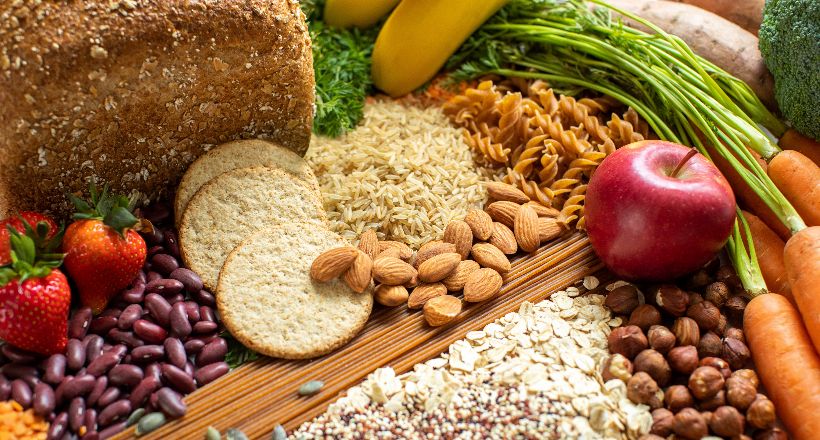
“Why choosing the right carbohydrates may be one of the smartest moves for healthy aging.”
——-
For years, carbohydrates have been blamed for everything from expanding waistlines to rising blood sugar. Low-carb diets have become fashionable, and many Americans have come to believe that avoiding carbohydrates altogether is the secret to better health. But here’s what often gets lost in the conversation: not all carbohydrates are created equal. Our bodies rely on carbohydrates as an important source of energy, particularly for the brain and working muscles. According to the Harvard T.H. Chan School of Public Health, the quality of carbohydrates matters more than simply the quantity consumed. Whole grains, vegetables, fruits, beans and lentils provide fiber, vitamins, minerals and other beneficial nutrients. By contrast, refined carbohydrates found in white bread, pastries, sugary cereals and many packaged snacks have often been stripped of much of their natural fiber and can contribute to rapid increases in blood sugar.
Where Good Carbs Make a Difference
Some of the healthiest carbohydrates are also among the easiest to incorporate into everyday meals. Oatmeal, quinoa, brown rice, sweet potatoes, berries, apples, chickpeas and black beans are excellent examples. Many provide dietary fiber, which supports digestive health, helps regulate blood sugar and can contribute to healthier cholesterol levels. According to the American Heart Association, soluble fiber found in foods such as oats and beans can help lower LDL cholesterol, an important consideration as we age. Whole fruits also offer advantages over fruit juices because they retain their natural fiber. And for those who exercise regularly, carbohydrates help replenish muscle glycogen, the stored energy used during physical activity. The key is choosing foods that deliver meaningful nutrition rather than simply empty calories.
Unfortunately, the typical American diet often blurs the distinction between nutritious carbohydrates and highly processed foods. According to the Centers for Disease Control and Prevention, ultra-processed foods accounted for approximately 55% of calories consumed by Americans ages one and older during August 2021 through August 2023. Not all processed foods are unhealthy, and not all carbohydrates are beneficial. The real concern is a dietary pattern dominated by refined grains, added sugars and foods lacking sufficient fiber. The Dietary Guidelines for Americans, 2020–2025, recommended making at least half of grain consumption whole grains, a practical benchmark for improving carbohydrate quality.
The Takeaway: Longevity isn’t necessarily about eating fewer carbohydrates; it’s about eating better ones. Replace sugary breakfast cereals with oatmeal, refined grains with whole grains and processed snacks with fruit or nuts. Small, consistent improvements in carbohydrate quality can support metabolic and cardiovascular health over time. The goal isn’t to fear carbohydrates, but to understand which ones deserve a regular place on your plate.

