


The Statin Debate Continues
October 20, 2026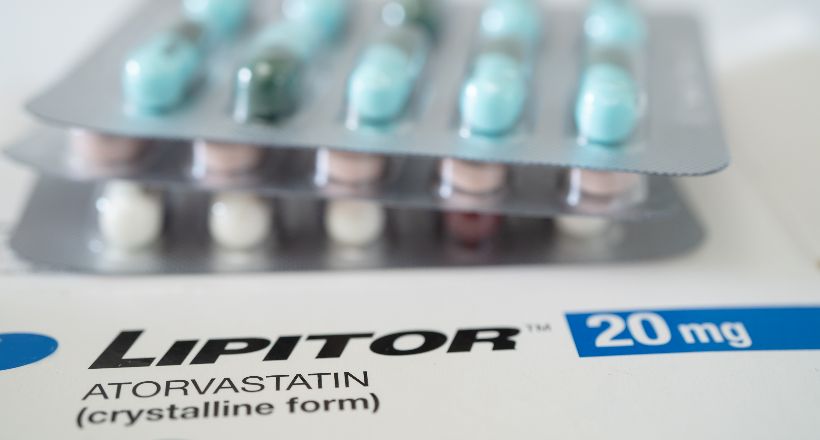
“Weighing the benefits against the risks.”
——-
For more than three decades, statins have been among the most widely prescribed medications in modern medicine. Drugs such as Lipitor and Crestor lower LDL cholesterol and have been shown to reduce heart attacks and strokes, particularly among patients with established cardiovascular disease. According to the American Heart Association, lowering LDL cholesterol remains an important strategy for preventing cardiovascular events. However, the controversy centers on whether millions of otherwise healthy adults should take these medications for decades to prevent a first heart attack or stroke. The distinction is important. While the benefits are well established for higher-risk patients, the advantages for those at relatively low risk can be considerably smaller.
The debate becomes particularly interesting when examining the numbers. According to the U.S. Preventive Services Task Force (USPSTF), adults ages 40 to 75 with at least one cardiovascular risk factor and a calculated 10-year cardiovascular risk of 10% or greater generally benefit from statin therapy. For those with a risk between 7.5% and 10%, the potential benefit is smaller, and treatment should be individualized. This distinction highlights the difference between relative risk and absolute risk. A medication might reduce the relative risk of an event by 25%, but if someone’s original risk is only 4%, that translates into an absolute reduction of approximately one percentage point. In other words, the benefits are real, but their significance depends heavily on the individual’s starting risk.
Side effects remain another important consideration, although newer research has challenged some longstanding assumptions. A major 2022 analysis published in The Lancet, involving more than 150,000 participants in randomized trials, found that statins caused only a small excess of muscle pain or weakness, primarily during the first year of treatment. Most reported muscle symptoms were not attributable to the medication itself. Additional research published in The Lancet Diabetes & Endocrinology in 2024 confirmed that statins can modestly increase the likelihood of developing type 2 diabetes, particularly with higher-intensity treatment and among people already approaching diabetic blood sugar levels. Importantly, these findings do not negate the cardiovascular benefits of statins, especially for patients at elevated risk. They do, however, reinforce the importance of monitoring and individualized treatment.
Age adds another dimension to the discussion. The USPSTF acknowledges that evidence remains insufficient to determine whether starting statins for primary prevention after age 75 provides a favorable balance of benefits and risks. Meanwhile, a large observational research review involving more than 1.6 million older adults, published in Reviews in Cardiovascular Medicine, found an association between statin use and lower cardiovascular and overall mortality. However, because these were observational studies, the findings cannot establish that statins themselves caused the improved outcomes. Ultimately, statins are neither miracle drugs nor medications to be dismissed. For people with established heart disease or substantial cardiovascular risk, the evidence strongly favors their use. For lower-risk individuals, the decision deserves a thoughtful conversation about cholesterol, blood pressure, family history, lifestyle, and personal preferences. As with so many health decisions, the objective should not simply be better laboratory numbers, but better long-term health.
The Takeaway: Statins can save lives, but they are not necessarily the right choice for everyone. Understanding your individual cardiovascular risk, rather than focusing on cholesterol numbers alone, is essential to making an informed decision. At Corb7 International, our objective is to provide balanced, credible information without influence or compensation from pharmaceutical companies or medical product manufacturers. We do not provide medical advice, and readers should always consult their qualified healthcare professional before starting, changing, or discontinuing any prescribed treatment.

