


Halloween Around the World!
October 28, 2026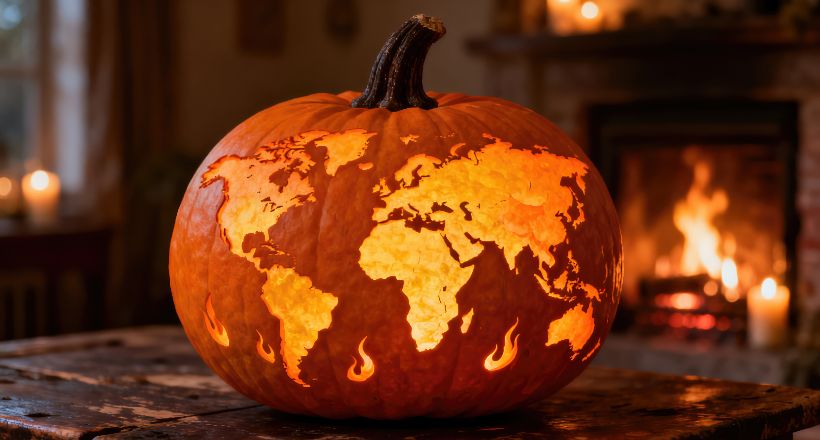
“The psychology behind a holiday that crosses borders.”
——-
What is it about Halloween that captures our imagination, regardless of where we live? Perhaps it’s the thrill of being frightened without facing real danger, the freedom to become someone else for an evening, or simply the pleasure of sharing an unusual experience with friends and family. Psychologists have long been interested in why people voluntarily seek out frightening entertainment. Research by psychologist Mathias Clasen and his colleagues at Aarhus University suggests that recreational fear can offer enjoyment when people feel sufficiently safe and in control. But Halloween is about more than ghosts and goblins. It’s also about tradition, belonging and the opportunity to briefly escape our everyday routines. Although Americans have transformed Halloween into a major commercial celebration, its roots stretch back centuries, and its popularity has spread well beyond our borders. Here’s how different countries celebrate this fascinating holiday.
How the World Celebrates Halloween
According to Encyclopaedia Britannica, Halloween falls on October 31, although the customs associated with it vary widely. Here is how ten countries mark the occasion:
- Ireland — October 31: Considered a birthplace of Halloween, tracing its roots to the ancient Celtic festival of Samhain. Costumes, bonfires, parties and trick-or-treating remain popular.
- Scotland — October 31: Celebrates with costumes, pumpkin carving and guising, a tradition in which children perform songs or jokes in exchange for treats.
- Canada — October 31: Celebrates much like the United States, with elaborate decorations, costumes and trick-or-treating.
- United Kingdom — October 31: Halloween has grown increasingly popular, especially among younger generations, with costume parties, haunted attractions and trick-or-treating.
- France — October 31: Halloween is celebrated in some cities, shops and entertainment venues, but it is far less culturally significant than in America.
- Italy — October 31: Halloween parties, costumes and themed events have become increasingly popular, particularly among younger Italians. However, November 1, All Saints’ Day, remains a more traditional observance.
- Germany — October 31: Halloween has become increasingly commercial, with costume parties, decorations and themed entertainment.
- Japan — October 31: Halloween is especially popular among young adults, who enjoy elaborate costumes, cosplay and themed events. Traditional door-to-door trick-or-treating is uncommon.
- Mexico — October 31 and November 1–2: Halloween is observed in some communities on October 31, but Mexico is better known for Día de los Muertos (Day of the Dead), observed primarily November 1–2. According to UNESCO, this distinct tradition honors deceased loved ones through family gatherings, offerings and remembrance.
- Australia — October 31: Halloween continues to grow in popularity, although it is not universally embraced.
The Takeaway: Halloween reminds us that some human experiences transcend geography. Whether it’s the excitement of a costume party in Tokyo, an ancient tradition in Ireland or a neighborhood celebration in America, our fascination with mystery, imagination and a little harmless fear seems to know no borders. Different cultures may celebrate differently, but the desire to have fun and connect with others is remarkably universal.

