


A Luxury Asset You Can Plant
February 10, 2026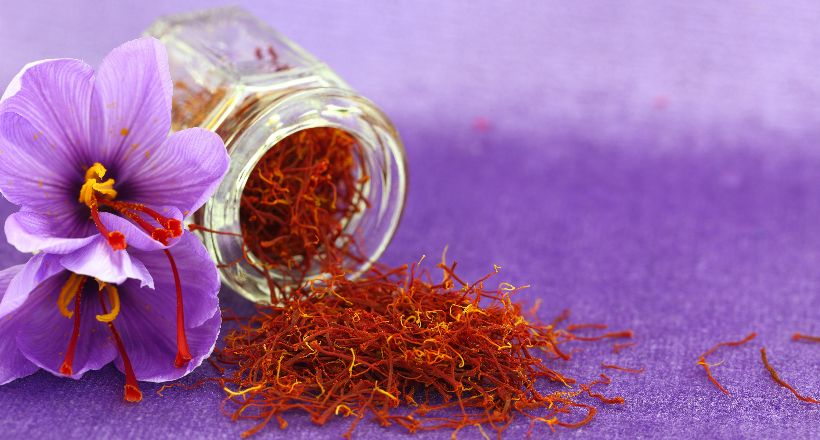
“The economics behind the world’s most valuable spice”
——-
Saffron stands apart from most agricultural investments because it behaves less like a commodity and more like a luxury micro-asset. Produced from the dried stigmas of the Crocus sativus flower, saffron is widely regarded as the world’s most expensive spice due to its labor intensity and limited harvest window. According to the UN Food and Agriculture Organization, it can take roughly 150,000 flowers to produce one kilogram of saffron, all harvested by hand during a brief autumn bloom. Retail prices frequently range from $5,000 to $10,000 per kilogram, with higher prices achievable for certified, traceable, or direct-to-consumer product.
A simple back-of-the-envelope model illustrates why saffron attracts micro-investors. Agricultural extension data from Europe and the United States suggest that a ¼-acre plot under good management may yield 0.5 to 1.0 kilograms annually once mature, typically beginning in year two. At conservative retail pricing of $6,000 per kilogram, that equates to $3,000–$6,000 in gross annual revenue from a very small footprint. Startup costs are relatively modest — primarily corms, soil preparation, and labor — and fields can remain productive for five to seven years before replanting, according to FAO agronomy guidance. The trade-off is labor and quality discipline, not capital intensity.
Compared with other “passion-asset” crops, saffron’s economics are unusually compact. Olive oil requires years before first harvest and large acreage to generate meaningful revenue; according to the International Olive Council, profitability is highly sensitive to yield volatility and global pricing. Truffles offer extraordinary upside, but carry long timelines and biological uncertainty — often 7–10 years before first production, according to European forestry and truffle cultivation studies. Wine grapes can be lucrative, but vineyard establishment is capital-heavy, land-intensive, and exposed to vintage risk; according to UC Davis viticulture research, commercial vineyards often require 5–7 years before reaching steady production. Saffron, by contrast, compresses time, land, and capital into a far smaller operational footprint.
From a business psychology perspective, saffron’s real advantage lies in value density and narrative control. Buyers are not simply purchasing a spice; they are buying authenticity, origin, and trust — which explains why the FAO identifies saffron as one of the most frequently adulterated spices globally. For disciplined producers, this actually strengthens the investment case: certification, third-party testing, and direct sales command premiums rather than discounts. In an era where scale increasingly compresses margins, saffron offers a rare agricultural profile — small land requirement, global demand, luxury pricing, and defensible scarcity — making it less a farming play and more a carefully managed micro-investment in credibility.
Please keep in mind this information should not be considered as financial advice. Investment decisions should be based on individual research and consultation with a qualified financial professional. The value of investments can fluctuate, and past performance is not indicative of future results. Always consider your risk tolerance and financial goals before making investment decisions.

