


When Oil Moves, Everything Moves!
March 17, 2026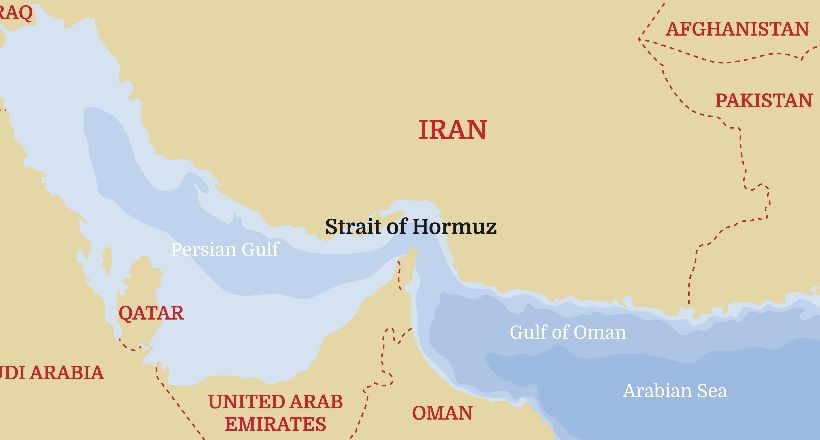
“How the Iran conflict is reshaping markets—and where investors should focus now.“
——-
There are moments in global markets when one variable quietly begins to drive everything else. Right now, that variable is oil. The escalating conflict involving Iran has quickly shifted from a geopolitical story into a full-scale economic catalyst, influencing inflation, transportation costs, and investor sentiment almost overnight.
Oil prices have surged above $100 per barrel, with sharp gains tied to instability around the Strait of Hormuz—a critical chokepoint that carries roughly 20% of global oil supply, according to Reuters and The Guardian. Even the threat of disruption has been enough to send energy markets higher, and history tells us that when oil spikes quickly, the ripple effects move fast. According to the Financial Times, rising fuel costs are already pushing diesel prices higher in the U.S., increasing pressure on logistics, agriculture, and consumer pricing.
The first wave of impact is straightforward: energy producers benefit, while fuel-dependent sectors—airlines, transportation, and parts of consumer discretionary—feel the squeeze. But the second wave is where investors need to pay attention. Higher energy costs tend to work their way through the entire economy, raising input prices and increasing the risk of what economists call “stagflation”—slower growth paired with persistent inflation, according to The Guardian. In response, capital doesn’t exit the market—it rotates.
That rotation is already underway. Investors are shifting toward what can best be described as “shock absorbers”—assets that either benefit from rising commodity prices or hold up well during inflationary periods. According to Columbia University’s energy policy research, U.S. producers are well positioned to capitalize on higher prices, while commodity-linked economies and sectors tend to strengthen during these cycles.
Where to Invest Now?
• Energy Producers & ETFs
Integrated oil companies and U.S. shale producers tend to benefit directly from higher crude prices. Broad energy ETFs offer diversified exposure if you prefer not to pick individual names.
• Energy Infrastructure (Pipelines & Storage)
These businesses often generate steady cash flow regardless of short-term price swings and can benefit from increased transport demand.
• Commodities & Natural Resources
Oil, natural gas, and even agricultural commodities tend to rise alongside energy-driven inflation cycles.
• Defense & Aerospace
Geopolitical instability historically increases defense spending, making this a sector that often sees consistent capital flows during conflicts.
• Inflation-Resistant Assets
Real assets such as infrastructure, select real estate, and commodity-linked investments can help hedge against rising prices.
• Caution: Fuel-Sensitive Sectors
Airlines, shipping, and certain consumer discretionary companies often face margin pressure when fuel costs spike quickly.
Bottom line:
Watch oil—it’s the scoreboard for this conflict. Markets may look calm on the surface, but underneath, capital is already moving. In environments like this, success isn’t about predicting headlines—it’s about recognizing where money is flowing next and positioning accordingly.
Please keep in mind this information should not be considered as financial advice. Investment decisions should be based on individual research and consultation with a qualified financial professional. The value of investments can fluctuate, and past performance is not indicative of future results. Always consider your risk tolerance and financial goals before making investment decisions.

