


A Better Butter
October 6, 2026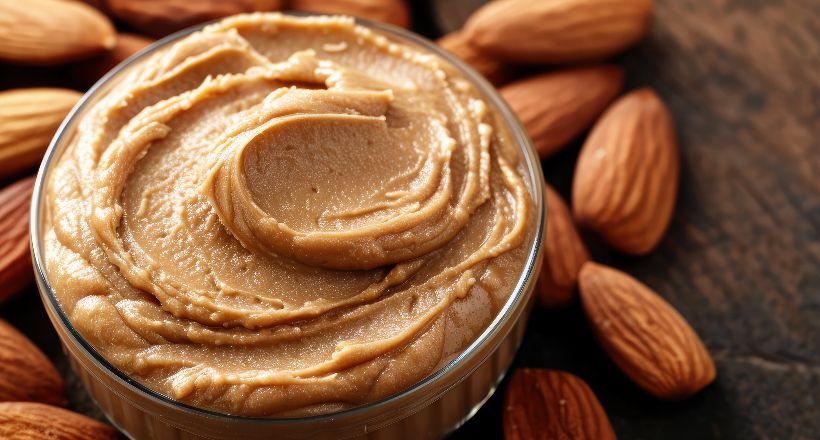
“Peanut or almond, a simple spread can pack plenty of nutrition into a small serving.”
——-
For years, peanut butter seemed to occupy an odd place in the American diet — part childhood comfort food, part guilty pleasure. Yes, it is calorie-dense, with roughly 190 calories in a typical two-tablespoon serving, but those calories come with a surprisingly good nutritional package. According to the Harvard T.H. Chan School of Public Health, peanuts and peanut butter provide protein, fiber and predominantly unsaturated fats. The American Heart Association likewise includes peanuts and nut butters among foods that can fit into a heart-healthy eating pattern. The important distinction is what is actually in the jar. Look for peanut butter made primarily from peanuts, with little or no added sugar, excess sodium or tropical oils.
Peanut butter also provides magnesium, vitamin E and other nutrients, while its combination of fat, protein and fiber can make it more satisfying than many highly processed snacks. But there is another good choice sitting nearby on the grocery-store shelf: almond butter. Nutritionally, the two are more alike than different. According to the Cleveland Clinic, two tablespoons of peanut butter provide about 8 grams of protein, compared with roughly 7 grams for almond butter. Almond butter generally provides more monounsaturated fat and is particularly notable for vitamin E, magnesium and calcium. Peanut butter tends to have a slight advantage in protein and is usually less expensive. In other words, there really isn’t a clear loser here — particularly when either one contains little more than the nuts themselves.
Personally, I prefer almond butter. I use it almost every day as a topping on Greek yogurt, which gives the yogurt a richer, slightly roasted flavor while adding healthy fat and a little extra protein and fiber. I also find almond butter’s flavor a bit milder and less salty than traditional peanut butter, which works particularly well with yogurt and fruit. The only caution is portion size. The American Heart Association considers about two tablespoons of nut butter a serving, and because these spreads are calorie-dense, a spoonful can become three rather quickly. Used sensibly, however, peanut or almond butter can be a simple way to turn breakfast or a snack into something more satisfying and nutritionally substantial.
The Takeaway: Don’t be scared away by the calorie count. A natural peanut or almond butter can provide healthy unsaturated fats, protein, fiber and valuable nutrients. I give almond butter the slight edge for my own daily routine, but the healthiest choice may simply be the one you enjoy — with a short ingredient list and a sensible serving size.

