


The Rise of Mini Meals
April 7, 2026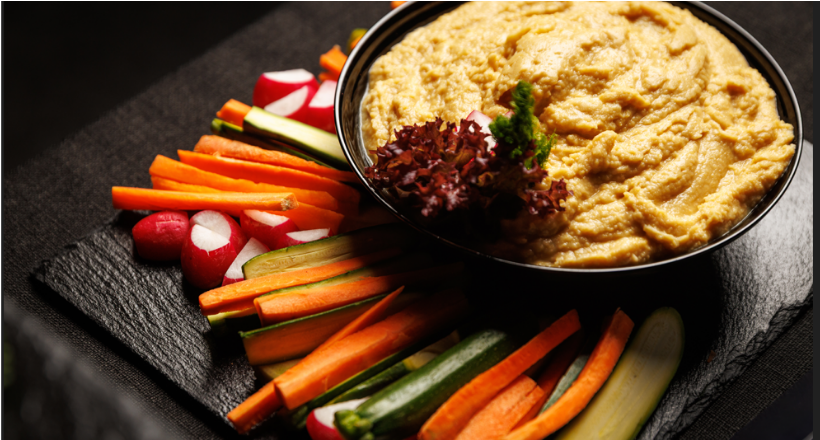
“How flexible eating is replacing the traditional three-meal routine.”
——-
The traditional three-meal structure—breakfast, lunch, and dinner—is quietly giving way to something far more flexible. Grazing, snacking, and so-called “mini meals” are becoming a defining shift in how people eat. According to the International Food Information Council (IFIC) 2024 Food & Health Survey, nearly two-thirds of Americans report snacking at least once daily, and many now replace full meals with smaller, more frequent eating occasions. What was once considered a lack of structure is now being reframed as a lifestyle adaptation—driven by busier schedules, remote work patterns, and a growing preference for convenience without sacrificing quality.
There is also a physiological component behind the trend. Research published in the journal Nutrients has examined eating frequency and suggests that, when done thoughtfully, smaller, balanced meals throughout the day may help support energy regulation and reduce large swings in blood sugar. The distinction, as researchers consistently emphasize, is quality over quantity—protein, fiber, and whole foods matter far more than simply eating more often. In practice, grazing works best when it is intentional, not incidental.
Retailers and food brands are already moving to meet this demand. According to Kroger, consumers are increasingly seeking “snackable” formats that blur the line between meals and snacks—protein boxes, charcuterie-style packs, and ready-to-eat combinations of nuts, fruit, and cheese. The deeper shift is behavioral: eating is becoming less tied to the clock and more aligned with individual rhythm. In that sense, mini meals aren’t just a trend—they reflect a broader evolution in cuisine toward flexibility, personalization, and control.

