


Why Food Often Feels Different in Europe
May 26, 2026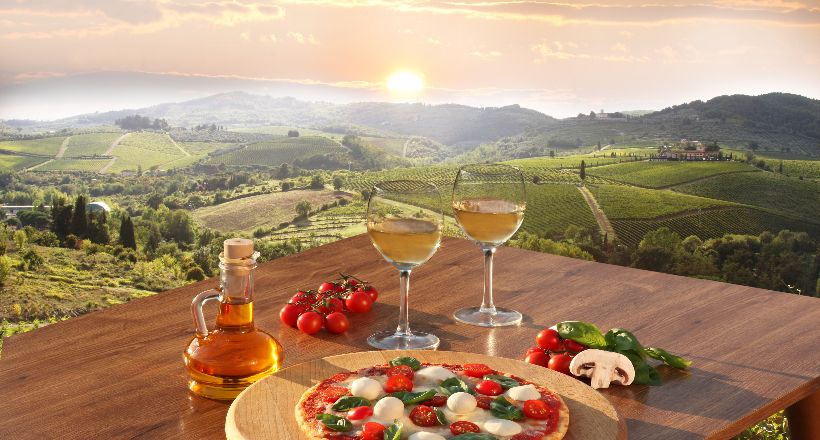
“7 food additives banned in Europe but used in the United States.”
——-
Many American travelers return from Europe saying they felt healthier, lighter, or less bloated while enjoying foods they normally avoid at home. While no single explanation tells the entire story, researchers and regulators point to meaningful differences in ingredients, food processing, and eating habits. According to the European Food Safety Authority and the U.S. Food and Drug Administration, Europe and the United States often regulate food additives differently, with European regulators generally applying stricter precautionary standards. Among the additives either banned, heavily restricted, or carrying warning labels in parts of Europe while still appearing in many American food products are potassium bromate, titanium dioxide, brominated vegetable oil (BVO), azodicarbonamide (ADA), Red Dye No. 3, propylparaben, and several synthetic food dyes including Yellow 5, Yellow 6, and Red 40. Many of these ingredients are commonly associated with processed breads, soft drinks, candies, baked goods, and packaged snack foods sold throughout the United States.
In countries like Italy, the dining experience itself often feels noticeably different. Meals frequently emphasize fresh ingredients, moderation, and slower dining rather than heavily processed convenience foods. Pasta dishes are commonly prepared with shorter ingredient lists, olive oil, vegetables, seafood, or lighter sauces, while wine is traditionally consumed moderately alongside meals instead of separately in excess. According to research highlighted by the Harvard T.H. Chan School of Public Health, Mediterranean-style eating patterns centered on minimally processed foods, healthy fats, legumes, vegetables, and moderate wine consumption have been associated with improved cardiovascular and metabolic health. While no single ingredient determines overall wellness, many travelers discover that Europe’s combination of stricter food standards, smaller portions, walkable lifestyles, and more traditional culinary habits can create a noticeably different relationship with food and dining.

