


The New Science of Aging Well
November 10, 2026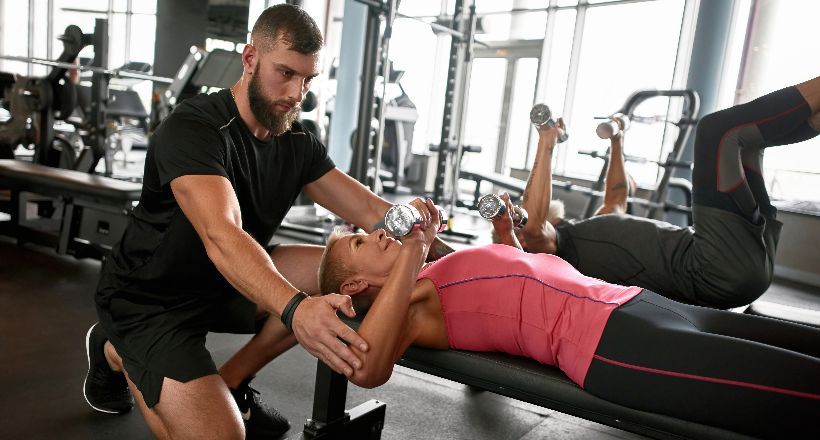
“Why lifting weights may be one of the smartest Investments in your future.”
——-
For decades, the conversation surrounding longevity has focused on cardiovascular health, diet, and maintaining a healthy weight. While all remain important, researchers are increasingly emphasizing another critical component of healthy aging: muscle strength. As we grow older, we naturally lose muscle mass and strength, a process that can eventually compromise mobility, balance, and independence. According to the National Institute on Aging, resistance training is among the most effective ways to counter these changes, helping older adults maintain physical function and remain independent longer. Simply put, building and preserving muscle isn’t just about looking good. It’s about maintaining the ability to enjoy life on your own terms.
Interestingly, some older women remain reluctant to lift weights, often because of concerns about becoming overly muscular or believing strength training is better suited for men. Neither assumption holds up particularly well against the research. A systematic review published in Sports Medicine, examining 30 studies involving 1,410 adults over age 50, found that women achieved greater relative improvements in lower-body strength than men, while relative gains in muscle size were not significantly different between the sexes. Another 2022 systematic review published in Sports Medicine found that progressive resistance training improved muscle strength and hip bone mineral density in adults 65 and older, although the evidence was stronger for improvements in strength. For women concerned about age-related bone loss, these findings are particularly relevant. The message is straightforward: lifting weights isn’t exclusively a young person’s activity, nor is it simply a man’s pursuit. Women have every reason to embrace it.
The encouraging news is that meaningful improvements don’t require spending hours in a gym or lifting exceptionally heavy weights. According to the Centers for Disease Control and Prevention, adults 65 and older should incorporate muscle-strengthening activities at least twice weekly, alongside aerobic exercise and balance training. Dumbbells, weight machines, resistance bands, and bodyweight exercises can all be effective, particularly when resistance increases gradually as strength improves. Beginners should emphasize proper technique and seek professional guidance when appropriate. Walking, swimming, and cycling remain excellent activities, but they shouldn’t replace strength training. Perhaps it’s time we reconsider what aging gracefully really means. Rather than simply accepting physical decline as inevitable, we can take practical steps to preserve the strength that allows us to remain active, capable, and independent.
The Takeaway: Longevity isn’t simply about adding years to your life; it’s about adding life to those years. Maintaining muscle strength is one of the most practical investments we can make in our future health, regardless of age or gender. It’s never too late to begin, and the benefits extend well beyond the gym.

