


TMG: Hype, Help or Hidden Edge?
February 24, 2026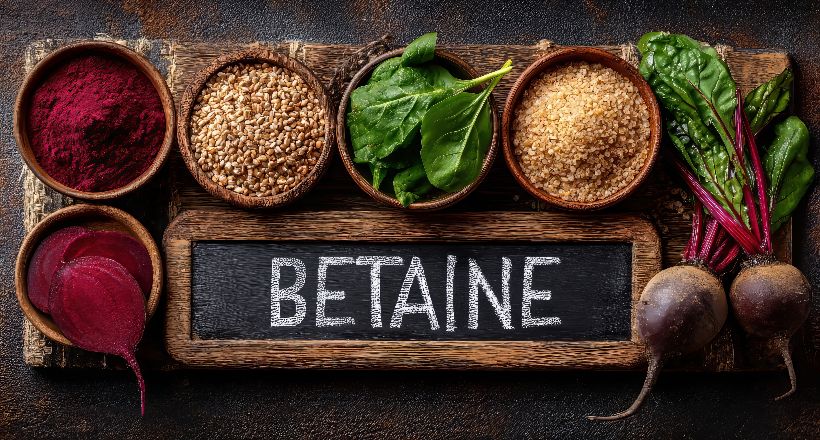
“What the research suggests.”
——-
Whether TMG is right for you depends on your specific goals, lab markers, and overall health profile. As always, consult with your physician before adding any supplement to your regimen.
TMG—also known as betaine—is a naturally occurring compound found in foods such as beets, spinach, and whole grains. According to the National Institutes of Health Office of Dietary Supplements, betaine functions as a “methyl donor” in the body, meaning it helps transfer methyl groups in key biochemical reactions. This process supports normal cellular function and works closely with nutrients like folate and vitamin B12 in what’s known as the methylation cycle.
One of TMG’s most studied roles involves homocysteine metabolism. Elevated homocysteine has been associated with increased cardiovascular risk, and according to the National Institutes of Health, betaine supplementation can help lower homocysteine levels in certain individuals. That said, lowering homocysteine does not automatically translate into reduced heart events, so context matters. TMG is also involved in liver function, where it helps regulate fat metabolism. Research published in journals such as The American Journal of Clinical Nutrition has examined betaine’s potential role in supporting healthy liver fat balance, particularly in individuals with metabolic concerns.
For those focused on body composition or performance, there is emerging—though not definitive—evidence worth noting. Some small clinical trials have suggested that betaine supplementation may enhance power output and strength performance in resistance-trained individuals, according to research published in the Journal of the International Society of Sports Nutrition. The mechanism may involve improved cellular hydration and methylation support. However, TMG is not a direct fat-burning compound, and weight loss effects appear to be indirect at best—potentially through metabolic efficiency rather than appetite suppression or thermogenesis.
Typical supplemental doses range from 500 mg to 3,000 mg per day, depending on the objective and physician guidance. Side effects are generally uncommon but may include digestive discomfort, mild insomnia, or mood changes at higher intakes. Individuals with kidney disease, certain metabolic disorders, or those on specific medications should exercise caution and seek medical supervision.
Bottom line:
TMG plays a legitimate biochemical role in the body, particularly in methylation and homocysteine regulation. Its potential benefits for cardiovascular markers and athletic performance are promising but not universal. As with most supplements, the question isn’t whether it works in theory—it’s whether it works for you, in your specific metabolic context.
Here are a few video reviews:
Again, always consult your doctor.

