


What Happens When You Don’t Eat Enough?
November 17, 2026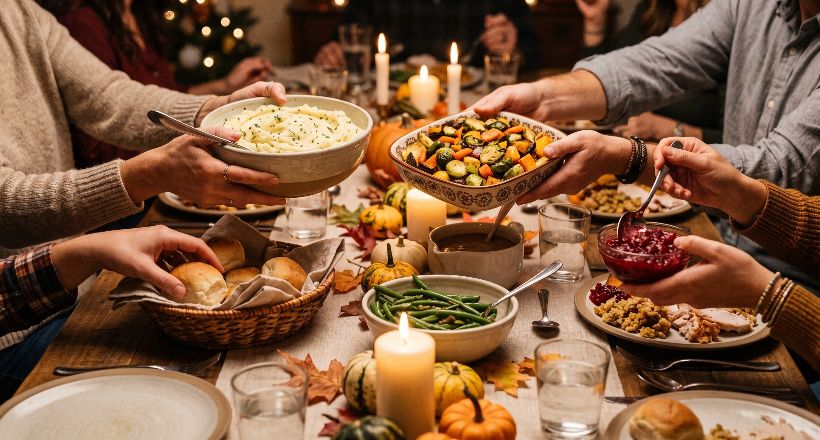
by Morayma MaKay
Writer / Blogger & Content Creator
Adulthood Rewired
Biography: Morayma Makay is a fashion model, mother, and writer. She has
dedicated the last 20 years to working in the fashion and health fields as
both a researcher and content creator.
“Why eating enough matters as much as eating right.”
——-
The holiday season is upon us and it sure has a funny way of making food the center of attention! Between Thanksgiving dinners, holiday parties, festive treats, and refrigerators filled with leftovers, most of us aren’t exactly short on opportunities to indulge. In fact, by January, many of us may be wondering how one little slice of pie turned into three days of leftovers!
Now despite all of this deliciousness, here’s something worth thinking about…while we’re surrounded by more food than usual, are we actually giving our bodies enough of the nourishment they need? Under-eating is more common than people realize, particularly among adults who are busy, trying to manage their weight, following restrictive eating habits or simply getting so caught up in daily responsibilities that meals become an afterthought…and eating less than your body needs on a regular basis can have consequences that go well beyond feeling hungry.
Your Body Needs Fuel, Not Just Calories
Food provides the energy and nutrients your body uses to keep everything running, from maintaining body temperature and supporting immune function to repairing tissues and even regulating hormones. When you’re consistently not eating enough, your body has to adapt. You may notice fatigue, irritability, difficulty concentrating, feeling cold more often, dizziness or changes in sleep. Some people also experience increased food cravings, especially later in the day, as the body tries to make up for the energy it’s missing. Over time, inadequate food intake can contribute to nutrient deficiencies, weakened immune function and hormonal disruptions. It can also make it harder for the body to maintain muscle, which becomes increasingly important as we get older.
Muscle, Metabolism and Healthy Aging
One of the biggest concerns with chronic under-eating is the potential loss of muscle mass. Building and maintaining muscle isn’t just about strength or appearance. It helps support mobility, balance, metabolic health and independence as we age. When your body doesn’t receive enough energy or protein, it may break down muscle tissue to help meet its needs. This is especially important for adults over 40, when age-related muscle loss becomes a growing consideration. Eating enough protein is part of the equation, but so is eating enough overall. You can fill your plate with healthy foods and still fall short if portions are too small or meals are skipped regularly. A few red flags our bodies may throw our way when not getting enough nutrition can be: feeling tired or sluggish even after a full night’s sleep, getting dizzy, lightheaded or unusually cold, experiencing frequent food cravings or thinking about food constantly, noticing changes in your hair, skin or nails, losing weight unintentionally or experiencing a decline in strength, and feeling irritable or having difficulty concentrating. Consider these a few ways your body tries to communicate that it needs a little more on your actual dinner plate, even if it means a little less on your work, school, life proverbial plate!
The Holiday Eating Paradox
This time of year, we’re often more focused on eating too much than eating too little…and while enjoying holiday meals and seasonal treats is part of the fun, it’s worth remembering that a few larger meals don’t necessarily make up for weeks of inadequate nourishment. Skipping breakfast to save room for dinner, surviving on coffee until mid-afternoon, or eating very lightly throughout the day to compensate for an indulgent evening can become a pattern far too easily. Your body still needs consistent nourishment, even when your calendar is filled with celebrations..and no, enjoying the holiday cookies doesn’t mean you need to earn them with an extra workout or make up for them by skipping lunch the next day. Food is nourishment, but it’s also meant to be enjoyed!
The Takeaway: So, holidays or not, healthy eating isn’t about seeing how little you can get by on. It’s about giving your body enough energy and a variety of nutrients to support the life you’re living which means eating regular meals, including adequate protein, incorporating healthy fats, choosing fiber-rich foods and paying attention to hunger and fullness cues. It also means recognizing that nutritional needs change with age, activity levels, hormones and overall health. As we head into the season of overflowing dinner tables and tempting desserts, enjoy the celebrations! Just remember that healthy eating should not be about compensating for one big meal or restricting yourself the next day…it’s about consistently nourishing your body, through the holidays and well beyond them. After all, the holidays only come around once a year, but your body needs to be fed every day!

