


How to Politely Use Condiments
June 2, 2026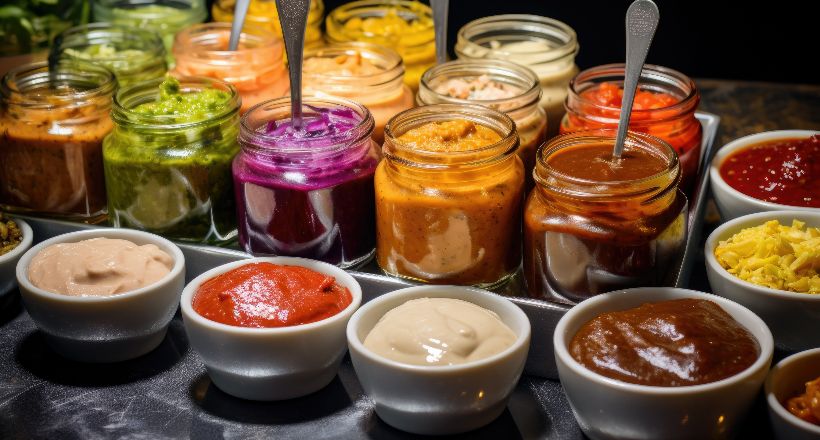
by Candace Smith
The Etiquette Blog
Candace Smith Etiquette
Biography: Candace Smith, wife of Nobel Prize-Winner Professor Dr. Vernon Smith and owner of the extraordinary blog, “Etiquette for the Business of Life,” as featured by BBC, Chicago Tribune and USA Today, offers her insights.
“The unspoken rules that drive outcomes.”
——-
Whether you’re squeezing ketchup onto a burger or drizzling hot sauce over your eggs, condiments are one of life’s small but satisfying pleasures. From the salt and pepper shakers at your grandmother’s kitchen table to the artisan sauces lining restaurant caddies today, condiments have always played a supporting role in our meals. And knowing how to use them well is a quiet mark of good manners.
What Are Condiments, Exactly?
Condiments are seasonings, sauces, and relishes used to enhance the flavor of a dish. They are the co-stars of the meal, not the main event. Salt, pepper, mustard, ketchup, steak sauce, hot sauce, salad dressing, relish — these are all condiments, and they come in every form imaginable: shakers, squeeze bottles, glass jars, small bowls, and single-serve packets.
The golden rule? Condiments add to a great dish. They are not meant to rescue a poor one.
Salt, Pepper, and the Sprinkle Family
Salt and pepper are the most iconic condiment duo in existence — and they are always a pair. When someone at the table asks for the salt, you pass the pepper along with it. Always. Separating these two creates an unnecessary disruption mid-meal as the table searches for the missing partner.
Beyond salt and pepper, meals are sometimes accompanied by other sprinkle-style condiments: grated Parmesan, dried herbs, cinnamon, nutmeg, or specialty spices. These are typically placed in small shakers or bowls with spoons, and they vary based on the dish being served.
Here is the most important rule of all condiments, especially the sprinkle variety: taste your food first. In any home or restaurant, it’s safe to assume the person who prepared your meal knows what they’re doing. Reaching for the salt before your first bite sends an unintentional signal that you expect the food to be lacking. Take a bite or two, appreciate the cook’s effort, and then season to your preference.
Sauces: A Brief and Delicious History
Not so long ago, ketchup came in tall glass bottles that required a near-heroic level of patience. You tilted the bottle, gave it a gentle shake, and waited. Poking a knife into the neck of the bottle — clean or otherwise — was strictly off-limits. Steak sauce, mustard, and relishes were stored in glass jars with fitted metal lids and little serving spoons tucked inside. Everyone used the same spoon, and it went right back into the jar. (No licking. No finger-wiping. Those rules still apply.)
Today, condiments are served far more casually — plastic squeeze bottles on diner tables, sauce packets in fast food bags, and elegant ramekins in upscale restaurants. But the setting still determines the protocol.
- Casual restaurants often keep condiments right on the table in a caddy or carousel. Help yourself freely.
- Mid-range restaurants typically don’t set condiments out unless the dish calls for them. If you’d like ketchup or hot sauce, simply ask your server.
- Upscale restaurants make the decision for you. If a sauce accompanies the dish, it will be served alongside it — often in a small bowl or with a pouring spout. If you’d like something extra, it’s perfectly fine to quietly ask your server after a few bites.
When using any pourable condiment, pour or dip a modest amount onto the side of your plate, then dip each bite as you go. For salad dressings, drizzle lightly over the salad, then gently toss to coat. Cut any oversized pieces of lettuce or vegetables with your fork and knife as you mix, then set the knife at the top of your plate and enjoy.
Condiments at Home and as a Guest
At home, the host decides which condiments make it to the table. If you’re a guest in someone’s home, take a couple of bites before asking for anything additional. It’s a small gesture that goes a long way in honoring the effort of whoever cooked for you.
This is also a wonderful habit to pass along to children. Teaching kids to taste before they season builds respect and gratitude, and marks them as thoughtful guests wherever they go.
Condiments, used with just a little intention and grace, make meals more enjoyable for everyone at the table.

