Your Fiber Shortfall
by Morayma MaKay
Writer / Blogger & Content Creator
Adulthood Rewired
Biography: Morayma Makay is a fashion model, mother, and writer. She has
dedicated the last 20 years to working in the fashion and health fields as
both a researcher and content creator.
“Why you need more fiber than you think.”
——-
When it comes to a healthy diet, fiber doesn’t usually get much attention, but it plays a much bigger role in how you feel than most people realize. If your energy has been inconsistent, your digestion feels off, or you’re constantly hungry even after meals, lack of sufficient fiber is often the culprit. So, why is fiber so important, and how can you make sure you’re getting enough of it? Let’s talk about it!
The Nitty Gritty on Fiber
At a basic level, fiber is a type of carbohydrate your body doesn’t fully break down. Instead of being quickly absorbed, fiber moves through your digestive system more slowly, helping regulate everything from blood sugar to hunger signals.
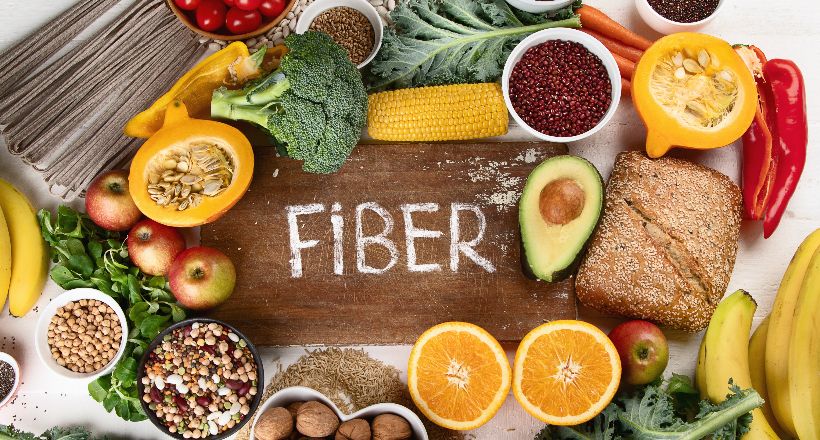
There are two main types of fiber: soluble and insoluble. Soluble fiber dissolves in water and forms a gel-like substance in your gut. It helps stabilize blood sugar, supports healthy cholesterol levels, and keeps you feeling full longer. You’ll find it in foods like oats, beans, lentils, apples, and chia seeds. Insoluble fiber, on the other hand, adds bulk and supports regular digestion. This type shows up in things like whole grains, nuts, seeds, and many vegetables.
Fiber and Your Health
What’s especially interesting…especially from a functional medicine perspective…is how fiber supports your gut microbiome. The bacteria in your gut relies on fiber as fuel, and when you eat enough of it, you’re essentially feeding the beneficial bacteria that play a role in digestion, immune function, and even mood regulation. When fiber intake is low, that balance can start to shift in ways that affect how you feel overall.
One of the more noticeable benefits of getting enough fiber is how it helps smooth out blood sugar levels, and instead of sharp spikes and crashes after meals, fiber slows down the absorption of glucose, which can lead to more stable energy throughout the day. This is particularly helpful if you find yourself constantly reaching for snacks or dealing with that mid-afternoon slump we all dread. Fiber also plays a role in satiety. Meals that include enough fiber tend to be more satisfying, not just in the moment but for hours afterward. That can make it easier to naturally reduce overeating without feeling restricted, because your meals are keeping you full, which means the snack cabinet isn’t getting checked as often.
Are You Getting Enough Fiber?
Despite how beneficial fiber is, most people aren’t getting nearly enough. The recommended intake is around 25–30 grams per day, but many of us fall well below that. The good news is that increasing your intake doesn’t require a complete overhaul of your diet, and small, consistent changes can make a noticeable difference. A simple place to start is with breakfast. Instead of eating something refined or low in nutrients, try building a meal that includes fiber to boost the beginning of your day. Overnight oats topped with berries and chia seeds, or even a smoothie with leafy greens, flaxseed, and frozen fruit, can set a different tone for your energy levels and keep you full until lunchtime.
Another easy shift is to add, rather than subtract. Instead of focusing on what to cut out, think about what you can include in your meals. Toss a handful of beans or lentils into soups and salads, add extra vegetables to meals you already make, whether that’s sautéed greens with dinner or sliced cucumber and carrots on the side with lunch. Snacks are another opportunity to get in some fiber by swapping ultra-processed options for something like an apple with almond butter, a handful of nuts, or hummus with vegetables. These little changes can significantly increase your daily fiber intake without too much effort.
Pace Your Fiber Journey.
If you’re used to eating a lower-fiber diet, it’s worth noting that increasing your intake gradually will be your best bet. Adding too much too quickly can lead to bloating or discomfort. Drinking enough water also matters, since fiber works best when it can move easily through your system. One thing that often gets overlooked is variety when it comes to fiber…different plant foods provide different types of fiber, which support different strains of gut bacteria. So, rotating your fruits, vegetables, grains, and legumes can be just as important as the total amount you’re eating.
While fiber isn’t trendy, and doesn’t get the attention that things like protein do, it is a foundational part of how your body regulates digestion, energy, and overall balance. When you start paying attention to it, and making small, practical adjustments to how and what you eat, you may notice that your overall wellness and energy levels are taking a turn for the better!