


Making Mediation Simple
April 14, 2026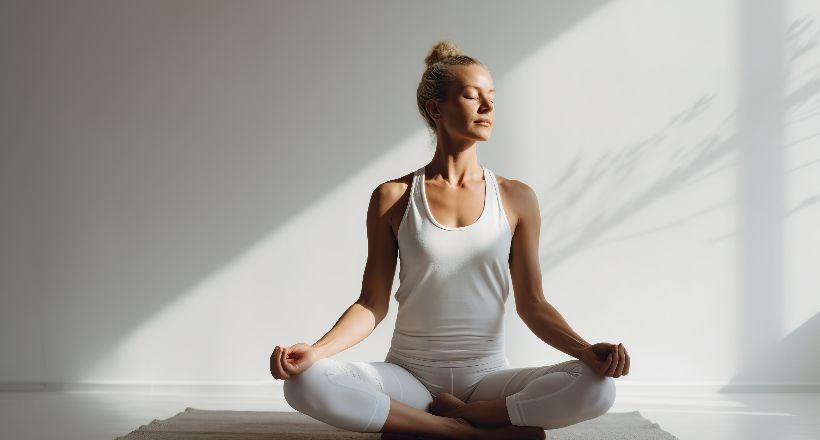
by Morayma MaKay
Writer / Blogger & Content Creator
Adulthood Rewired
Biography: Morayma Makay is a fashion model, mother, and writer. She has
dedicated the last 20 years to working in the fashion and health fields as
both a researcher and content creator.
“Even when life is not.”
——-
If you’ve ever tried to meditate and found yourself mentally reorganizing your to-do list, replaying conversations, or wondering how much time has passed after what feels like forever (but is actually two minutes) you’re not alone! Meditation often gets painted as something that requires perfect stillness, total silence, and a completely clear mind, but for most of us with full schedules and busy thoughts, that version often feels completely out of reach. Fortunately, there is more than one way to meditate, and you may likely already be performing some meditative tasks without even knowing it.
Meditation Simplified
At its core, meditation is just the practice of paying attention. That’s it. You’re not trying to empty your mind or achieve some elevated state. You’re simply noticing what’s happening in the present moment, whether that’s your breath, your body, or even the swirl of thoughts in your head. For busy people (like most of us!), the biggest shift is letting go of the idea that meditation has to look or feel a certain way. You don’t need a perfectly quiet room or a long stretch of uninterrupted time. You can start with just a few minutes sitting in your car before heading into a store, pausing at your desk between tasks, focusing on a small simple task, or even lying in bed before falling asleep…these all count!
Breathe In. Breathe Out.
One of the easiest ways to begin simple meditation is by focusing on your breath. There’s no special technique required…just notice the natural rhythm of your breathing. Feel the inhale and the exhale. When your mind wanders (and it will!) gently bring your attention back to it. That return, that small act of noticing and redirecting, is the practice! If focusing on your breath feels frustrating, you can anchor your attention on something else. Some people find it helpful to listen to the sounds around them, noticing layers of noise while others prefer guided meditations, where a calm voice provides gentle direction and keeps the mind from drifting too far. Focusing on something small like a candle flame or leaves gently moving in the breeze works too.
It’s the Simple Things.
It’s also worth remembering that meditation doesn’t have to happen in complete stillness. Meditation retreats and sessions are wonderful to take part in, but we don’t always have the time or funds to do so. That’s when turning to simple tasks and creating a meditative moment becomes an effective and realistic option. Walking can be a form of meditation when you pay attention to each step, the sensation of your feet hitting the ground, and the rhythm of your movement. Even everyday activities like washing dishes or folding laundry can become meditative when you slow down and fully engage with what you’re doing.
Meditate Your Way to Wellness.
One of the reasons meditation is worth the effort, even in small doses, is the way it supports both mental and physical well-being. Regular practice has been shown to reduce stress by calming the nervous system and lowering cortisol levels. It can also improve focus and concentration over time, which is especially helpful if you often feel scattered or overwhelmed (and don’t we all!). Many people also notice better sleep, as meditation helps quiet the mind and ease the transition into rest. There’s also an emotional benefit that’s a bit harder to measure but just as meaningful. Meditation creates a small space between you and your reactions. Instead of immediately getting swept up in stress or frustration, you begin to notice those feelings as they arise, and that pause can make it easier to respond thoughtfully rather than impulsively.
Just A Few Minutes A Day.
If consistency feels like a challenge or you struggle to create moments of meditation in your daily life, try attaching meditation to something you already do each day. A few minutes of mindful breathing after brushing your teeth or before your morning coffee can make it feel less like another thing on your to-do list and more like a natural part of your day. Remember, it’s better to meditate for three minutes on most days than to aim for twenty and rarely follow through!
It’s also important to be kind to yourself in the process. Some days your mind will feel especially busy, and meditation might seem harder than usual. That doesn’t mean you’re doing it wrong. Those are often the days when the practice is most helpful, even if it doesn’t feel particularly calm or productive in the moment. However, if you find yourself resisting this calm practice, give yourself some grace and a break and re-start the next day. The last thing you want is to create resentment around “having” to do this “new thing” today.
Remember, meditation doesn’t have to be something you “get good at” or add to an already packed list. It can be much more relaxed than that, and just a few small moments where you pause, take a breath, and give yourself a break from the constant go-go-go. No pressure, no perfect technique, no expectation that your mind will suddenly be quiet. Just showing up for a minute or two, here and there, is perfectly good enough, and over time, those little pauses will have a way of making your days feel just a bit lighter and more manageable…and we can all use a little of that!

